


Rosen Method Bodywork in Berkeley: Where Touch Meets the Unspoken

Updated: Aug 5
Rosen Method Bodywork in Berkeley: Where Touch Meets the Unspoken
Rosen Method bodywork is one of the most underestimated practices I offer at the Berkeley and Oakland clinic. It's not strong, it's not flashy, and it doesn't "fix" anything in the way patients sometimes expect bodywork to fix things. What it does is older than that — it listens.
What Rosen Method is
Rosen Method was developed in Berkeley by Marion Rosen, a German-Jewish physical therapist who noticed that her patients' chronic tension wasn't really about their muscles. It was about what they hadn't said. What they hadn't been allowed to feel. What had been held in the body for so long that they'd forgotten it was there.
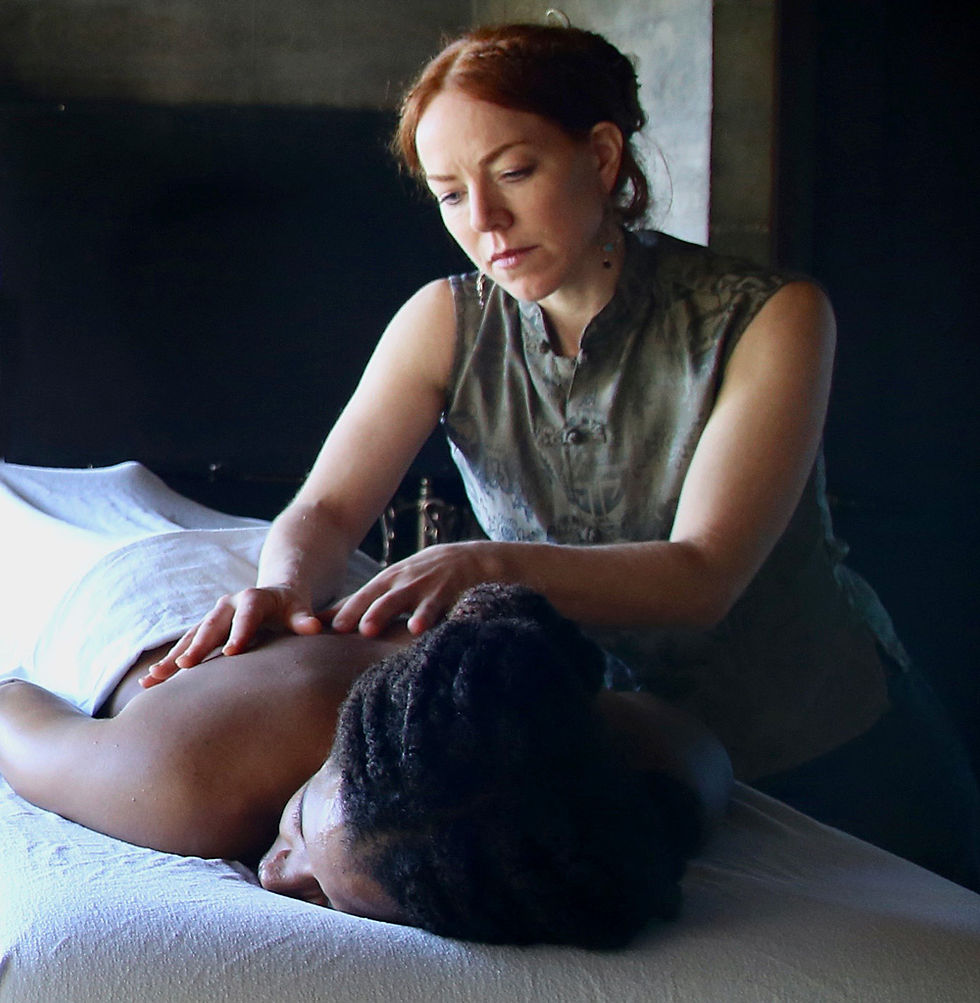
A session looks deceptively simple. You lie on a table, partially draped. The practitioner places hands on tight muscles and waits. There's gentle dialogue — what do you notice, what's coming up, what does that tightness want to say. Over the course of the session, holding patterns soften, breathing deepens, and feelings that have been waiting (sometimes for decades) come up to be felt.
Who it's for
Rosen Method is for people who have done a lot of talking-therapy work and feel like they've hit a ceiling. The work has been intellectual; the body hasn't quite caught up. Or it's for people who can't talk easily about what they're carrying — but their shoulders have been climbing toward their ears for fifteen years and something in there knows.
It's especially good for:
Long-held grief that hasn't moved
Trauma that lives in the body more than the narrative
People in recovery from chronic stress, burnout, or perfectionism
Therapists, healers, and caregivers who hold a lot for others
Anyone who wants depth work without intensity
What Rosen Method is not
It's not deep tissue. It's not massage in the relaxation-spa sense. It's not therapy (though many people find it more effective than talk therapy for body-held material). It will not crack you, stretch you, or work out a knot. If you're looking for that, I'd refer you to a sports massage therapist or a structural integration practitioner — both excellent in their place.
Why this work matters in the East Bay
Berkeley is one of the original homes of Rosen Method — the Rosen Institute trained generations of practitioners here. The work has a long-standing East Bay community, and many patients find me specifically because they were seeing a Rosen practitioner who has retired or moved. If you've worked with a Rosen practitioner before and you're looking for someone in Berkeley or Oakland to continue with, I welcome that.
What a typical course of treatment looks like
Rosen Method is rarely one-and-done. The work goes deeper as the body learns to trust the touch. Most patients work weekly or biweekly for 8 to 16 sessions, often integrating Rosen with acupuncture or herbal medicine for fuller support. Some people stay with the work for years as a steady practice.
Sessions are 75 minutes. The first session includes intake. Wear comfortable clothing — you'll undress to your level of comfort and be draped.
Frequently asked questions
What's the difference between Rosen Method and massage?
Massage works on muscle tissue mechanically — pressure, kneading, stretching. Rosen Method works on the relationship between the body and what it's holding. The touch is light, the pace is slow, and the goal is awareness and release, not muscular manipulation.
Will I cry in a session?
Sometimes. Many people do. Crying is one of the body's release mechanisms, and Rosen Method often makes space for it. There's no requirement to cry, and there's no judgment if you don't.
Is Rosen Method evidence-based?
There's a growing body of research on touch-based therapies for trauma and chronic stress, including work on Rosen Method specifically. The mechanism — touch + co-regulation + permission to feel — overlaps significantly with other body-based therapies that have stronger formal evidence (somatic experiencing, sensorimotor psychotherapy).
Can I combine Rosen with acupuncture?
Yes — many patients work with both modalities at the Berkeley/Oakland clinic. We can either alternate sessions or, depending on what you're working with, build a treatment plan that uses both.
Ready to experience this work for yourself? Bronwyn Ayla, L.Ac. offers in-person sessions in Berkeley and Oakland, California.


Comments